Water damage isn’t always obvious. While a burst pipe or flood creates visible destruction, water has a sneaky way of infiltrating your home’s hidden spaces, where it can cause serious damage long before you notice. Understanding where water likes to hide can save you thousands in repair costs and protect your family’s health.
1. Inside Wall Cavities
Water traveling through wall cavities is one of the most destructive and hardest-to-detect problems. A small leak from plumbing, roofing, or windows can travel significant distances before showing visible signs.
Look for: Paint bubbling, wallpaper peeling, unexplained stains, or walls that feel damp or soft to the touch. Musty odors often indicate moisture problems before visual signs appear.
Professional detection: Moisture meters and thermal imaging cameras can detect hidden moisture without destructive testing.
2. Beneath Flooring
Water can seep under flooring materials, creating perfect conditions for mold growth and structural damage. This is especially common with hardwood floors, vinyl, and carpet.
Look for: Floors that feel spongy, boards that are warping or cupping, unexplained squeaking, or corners where flooring is lifting. Dark stains or discoloration around baseboards are red flags.
The danger: Water trapped under flooring can rot subfloors, damage floor joists, and create extensive mold problems that require major renovations.
3. In HVAC Systems
Your heating and cooling system can harbor significant water damage, especially in ductwork, drip pans, and around units. Poor drainage or condensation problems can create ongoing moisture issues.
Look for: Unusual odors when the system runs, reduced airflow, rust around units, or water stains on ceilings near vents. Higher than normal utility bills can indicate system inefficiency caused by water damage.
Health concern: Mold in HVAC systems spreads spores throughout your entire home every time the system runs.
4. Behind Appliances
Water heaters, washing machines, dishwashers, and refrigerators all use water and can develop leaks that go unnoticed for months. These appliances are often in basements, utility rooms, or tight spaces where small leaks aren’t immediately visible.
Look for: Mineral deposits, rust stains, or water marks on floors around appliances. Check supply lines regularly for signs of wear or dripping.
Prevention tip: Replace washing machine hoses every 3-5 years, and check water heater tanks annually for signs of corrosion.
5. In Crawl Spaces and Basements
These areas are naturally prone to moisture problems due to their proximity to ground moisture and potential plumbing issues. Poor ventilation compounds the problem.
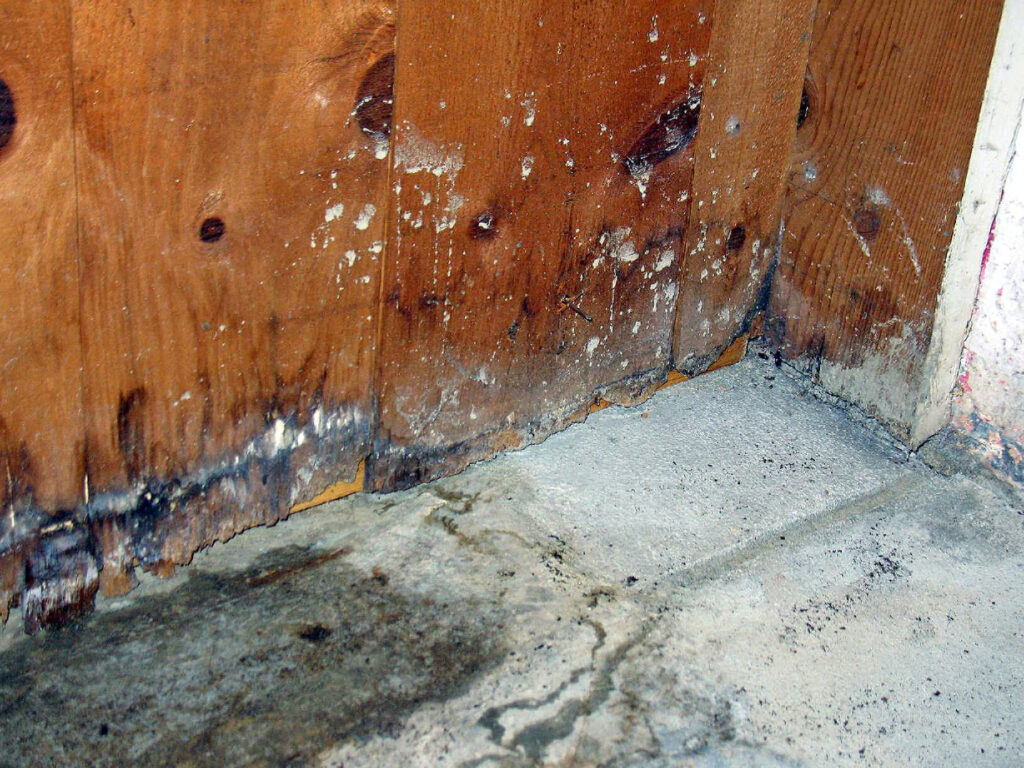
Look for: Standing water, excessive humidity, mold growth on wooden beams, or rust on metal components. White, chalky deposits (efflorescence) on concrete walls indicate moisture problems.
The risk: Moisture in crawl spaces can affect your entire home’s air quality and lead to serious structural problems.
6. Around Windows and Doors
Poor sealing around windows and doors allows water to penetrate building materials during rain or snow. This water can travel into wall cavities and cause extensive hidden damage.
Look for: Peeling paint around frames, soft or discolored wood, or condensation between double-pane windows. Water stains on walls or ceilings near windows are obvious signs.
Seasonal check: Inspect seals before winter and after major storms. Small maintenance now prevents major problems later.
7. In Attics and Roof Spaces
Roof leaks don’t always drip straight down. Water can travel along rafters, pipes, or wiring before emerging far from the actual leak location.
Look for: Dark stains on wooden beams, insulation that looks compressed or discolored, or rust on metal components. Check after major storms and during seasonal transitions.
Professional insight: Many homeowners only discover roof leaks after significant damage has occurred. Annual roof inspections can catch problems early.
The Hidden Cost of Hidden Water
Water damage that goes undetected for months or years can result in:
- Structural damage requiring major renovations
- Extensive mold remediation
- Health problems for family members
- Significantly higher repair costs
- Decreased home value
Detection Technology
Professional restoration companies use advanced tools to find hidden water damage:
- Moisture meters detect water content in materials
- Thermal imaging cameras reveal temperature differences indicating moisture
- Hygrometers measure humidity levels
- Borescopes allow visual inspection inside walls without damage
When to Call Professionals
If you suspect hidden water damage, don’t wait. Early detection and professional assessment can prevent minor problems from becoming major disasters. Professional restoration companies have the tools and expertise to find and address hidden moisture before it causes serious damage.
Phoenix Fire Water Restoration uses state-of-the-art detection equipment to find hidden water damage before it becomes a major problem. Our certified technicians can assess your property and provide solutions that protect your investment and your family’s health. Contact us today for a professional moisture assessment.