Mold is one of the most misunderstood problems homeowners face. Countless myths and misconceptions circulate about mold growth, removal, and health effects. These myths can lead to ineffective treatments, wasted money, and continued health risks. Let’s separate fact from fiction with the truth about mold in your home.
Myth #1: “Bleach Kills All Mold”
FACT: Bleach only kills surface mold and can actually make the problem worse.
While bleach can eliminate visible mold on non-porous surfaces like tile, it cannot penetrate porous materials like wood, drywall, or carpet. Even worse, the water in bleach can actually feed mold roots, causing regrowth.
Professional mold remediation uses specialized antimicrobial solutions designed specifically for mold elimination. These products penetrate deeply and prevent regrowth, something household bleach cannot do.
Myth #2: “If You Can’t See It, It’s Not There”
FACT: Mold often grows in hidden areas long before becoming visible.
Mold thrives in dark, moist environments like inside walls, under flooring, in crawl spaces, and within HVAC systems. By the time you see mold, the problem has likely existed for weeks or months.
Signs of hidden mold include: musty odors, unexplained allergic reactions, water stains, or humidity issues. Professional mold inspectors use moisture meters and air quality testing to detect hidden mold problems.
Myth #3: “A Little Mold Isn’t Harmful”
FACT: Any mold in your home poses potential health risks.
Even small amounts of mold can trigger allergic reactions, respiratory problems, and other health issues, especially in children, elderly individuals, or those with compromised immune systems.
Some molds produce mycotoxins – toxic compounds that can cause serious health problems even in small quantities. Without proper testing, you cannot determine if your mold poses serious health risks.
Myth #4: “Mold Only Grows in Dirty Homes”
FACT: Mold can grow in any home with sufficient moisture.
Mold needs only three things to thrive: moisture, oxygen, and an organic food source. Since mold feeds on materials like wood, paper, fabric, and even dust, every home contains potential food sources.
Even the cleanest homes can develop mold problems from plumbing leaks, roof damage, high humidity, or poor ventilation. Cleanliness helps prevent mold, but it’s not a guarantee.
Myth #5: “Opening Windows Will Solve Mold Problems”
FACT: Ventilation alone cannot eliminate existing mold.
While proper ventilation helps prevent mold by reducing humidity, it cannot eliminate existing mold growth. Established mold colonies must be physically removed and the underlying moisture problem addressed.
In some cases, opening windows can actually worsen mold problems by introducing outdoor humidity or allowing mold spores to spread throughout the home.
Myth #6: “Mold Testing Is Unnecessary”
FACT: Professional mold testing provides crucial information for effective remediation.
Mold testing identifies the specific types of mold present, their concentration levels, and helps locate hidden sources. This information is essential for developing an effective remediation plan.
Different mold types require different treatment approaches. Without proper testing, you might treat the wrong problem or miss dangerous varieties like black mold (Stachybotrys chartarum).
Myth #7: “Paint Will Stop Mold Growth”
FACT: Paint over mold is a temporary cosmetic fix that fails quickly.
Mold will grow through most paints, causing discoloration and continued health risks. Some paints marketed as “mold-resistant” can slow growth but won’t eliminate existing mold.
Proper mold remediation requires removing contaminated materials, addressing moisture sources, and treating affected areas with appropriate antimicrobial solutions before any refinishing.
Myth #8: “Mold Problems Are Obvious”
FACT: Many mold problems develop gradually with subtle warning signs.
Mold often starts with minor issues like:
- Slightly musty odors
- Small water stains
- Increased allergy symptoms
- Higher humidity levels
- Condensation on windows
Homeowners often dismiss these early warning signs, allowing problems to worsen significantly before taking action.
Myth #9: “All Mold Removal Products Work the Same”
FACT: Different mold problems require different treatment approaches.
Consumer products vary widely in effectiveness. Many are designed for minor surface mold on nonporous materials. Serious mold problems require professional-grade antimicrobials, specialized equipment, and proper containment procedures.
Professional mold remediation follows industry standards (IICRC S520) that ensure complete removal and prevent cross-contamination during the process.
Myth #10: “Mold Will Go Away on Its Own”
FACT: Mold problems worsen over time without proper intervention.
Mold colonies grow and spread continuously in favorable conditions. What starts as a small problem can become a major health hazard and expensive remediation project.
Early intervention is always more cost-effective than waiting until mold problems become severe.
The Truth About Professional Mold Remediation
Effective mold remediation requires:
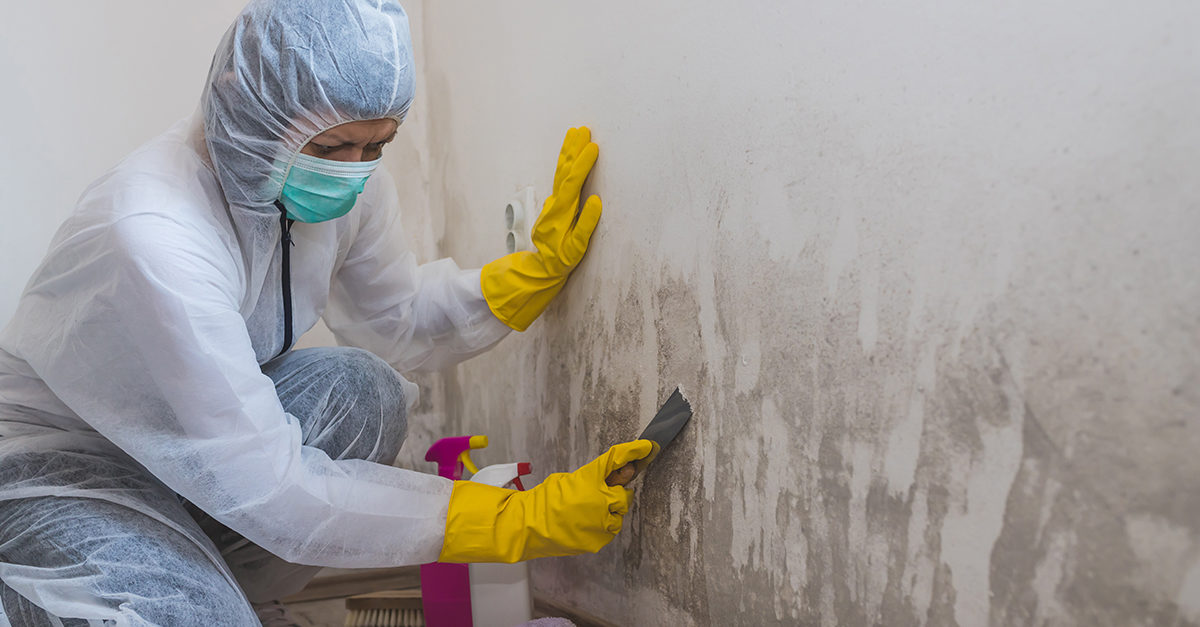
- Proper containment to prevent spore spread
- Identification and correction of moisture sources
- Removal of contaminated materials
- Specialized cleaning and antimicrobial treatments
- Air filtration and purification
- Post-remediation testing to verify success
Protecting Your Family
Don’t let mold myths put your family at risk. If you suspect mold problems, seek professional assessment and remediation. Quick action protects your health and saves money in the long run.
Phoenix Fire Water Restoration provides comprehensive mold inspection, testing, and remediation services. Our certified specialists use proven techniques to eliminate mold problems and prevent regrowth. Don’t risk your family’s health – contact us today for professional mold solutions.