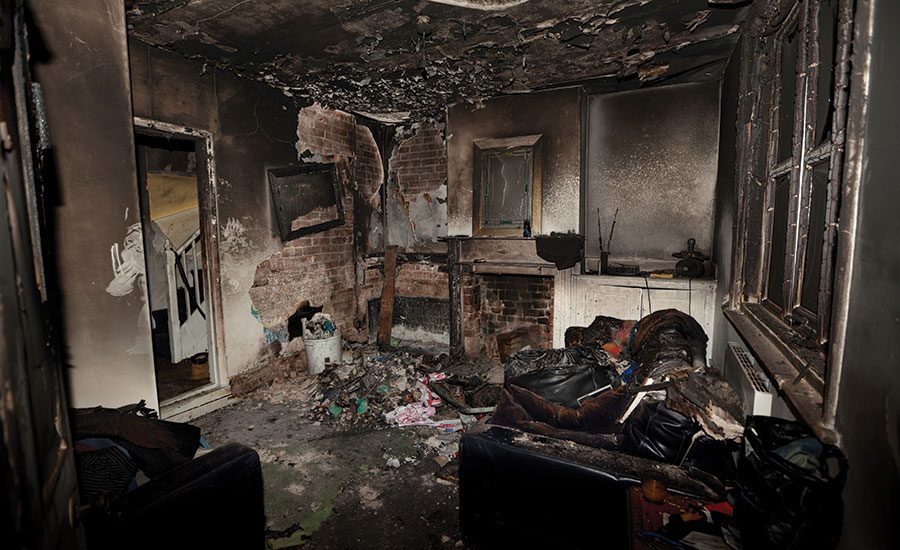
You’ve scrubbed every surface, washed every fabric, and aired out every room, but that persistent smoky smell just won’t go away. If you’re dealing with lingering smoke odors after a fire, you’re not alone. Understanding why smoke damage is so stubborn – and why surface cleaning isn’t enough – can help you take the right steps toward true odor elimination.
The Science of Smoke Infiltration
How Smoke Behaves Smoke isn’t just visible particles floating in the air. It’s a complex mixture of gases, vapors, and microscopic particles that behave in surprising ways. During a fire, smoke moves through your home following air currents, pressure differentials, and temperature gradients.
Smoke particles are incredibly small – often less than 0.1 microns. To put this in perspective, human hair is about 100 microns wide. These tiny particles can penetrate deep into porous materials and squeeze through microscopic gaps in seemingly solid surfaces.
Temperature and Penetration Hot smoke rises and seeks cooler areas, but it also penetrates materials more deeply when temperatures are high. As smoke cools, it condenses into sticky, tar-like substances that bond with surfaces. This is why smoke damage often appears worse in areas that were initially cooler during the fire
Where Smoke Hides
Porous Materials Smoke easily penetrates:
- Unfinished wood and particle board
- Drywall and plaster
- Insulation materials
- Fabric and upholstery
- Carpet and padding
- Paper products and books
Once embedded in these materials, smoke particles can continue releasing odors for months or even years.
HVAC Systems Your heating and cooling system acts like a smoke distribution network during a fire. Smoke enters through return air vents and spreads throughout the ductwork, coating interior surfaces with soot and tar. Every time your system runs, it can reintroduce smoke odors into clean areas.
Hidden Spaces Smoke infiltrates areas you might never think to clean:
- Inside wall cavities
- Under flooring
- In crawl spaces and attics
- Behind appliances and fixtures
- Inside electrical outlets and switch boxes
Why Surface Cleaning Fails
The Layered Problem Smoke damage occurs in layers. The visible surface contamination is just the beginning. Beneath the surface, smoke particles have penetrated deep into materials. Scrubbing the surface might remove visible soot, but it doesn’t address the embedded particles continuing to release odors.
Molecular Bonds Smoke particles form chemical bonds with many materials. Simple cleaning agents can’t break these bonds, which is why paint, upholstery, and other materials can smell smoky even after thorough cleaning.
Cross-Contamination During DIY cleaning, smoke particles often spread to previously unaffected areas. Washing contaminated items in your washing machine can transfer smoke residue to the machine itself, causing clean clothes to smell smoky.
Types of Smoke and Their Challenges
Protein Smoke From burning organic materials like meat or dairy products, protein smoke creates a thin, nearly invisible film that’s extremely difficult to remove. It has a particularly strong, offensive odor that standard cleaning cannot eliminate.
Synthetic Smoke Modern homes contain numerous synthetic materials that produce toxic smoke when burned. This smoke is often more challenging to clean because it contains chemicals that bond aggressively with surfaces.
Wet Smoke Slow-burning fires produce thick, sticky smoke that smears when wiped and penetrates deeply into materials. Wet smoke is particularly stubborn and often requires specialized cleaning techniques.
The Invisible Damage
Microscopic Infiltration Even areas that appear unaffected by fire can harbor smoke damage. Smoke particles travel through electrical outlets, light fixtures, and ventilation systems, contaminating areas far from the fire source.
Thermal Barriers Smoke follows temperature gradients, often concentrating in cooler areas of your home. Basements, closets, and north-facing rooms frequently have more smoke damage than areas closer to the fire.
Health Implications
Ongoing Exposure Lingering smoke particles pose health risks including:
- Respiratory irritation
- Allergic reactions
- Headaches and fatigue
- Aggravation of asthma and other conditions
Vulnerable Populations Children, elderly individuals, and those with compromised immune systems are particularly susceptible to smoke-related health issues.
Professional Smoke Remediation
Specialized Equipment Professional restoration companies use equipment specifically designed for smoke removal:
- Thermal foggers that penetrate materials at the molecular level
- Ozone generators that break down odor-causing compounds
- Hydroxyl generators that neutralize smoke particles
- Industrial air scrubbers with specialized filters
Chemical Treatments Professional-grade smoke removal products:
- Break molecular bonds between smoke particles and surfaces
- Neutralize odor-causing compounds
- Provide long-lasting protection against odor return
- Are safe for use in occupied spaces when applied properly
The Restoration Process
Assessment and Testing Professional restoration begins with thorough assessment using:
- Borescopes to inspect hidden areas
- Smoke pencils to trace air currents
- Odor detection equipment
- Surface sampling for contamination levels
Systematic Cleaning Professional smoke remediation follows a systematic approach:
- Remove heavily contaminated materials
- Clean and treat remaining surfaces
- Address HVAC systems and ductwork
- Apply specialized deodorizers
- Verify odor elimination
HVAC System Restoration Ductwork cleaning and restoration is crucial because:
- Contaminated systems spread odors throughout the home
- Smoke particles in ducts can continue releasing odors for years
- Proper cleaning prevents recontamination of treated areas
Advanced Odor Elimination
Thermal Fogging This process uses heated chemicals that penetrate materials the same way smoke did, neutralizing odor-causing compounds at their source.
Ozone Treatment Ozone generators create oxygen molecules that break down smoke particles chemically. This process requires professional supervision due to safety concerns.
Hydroxyl Generation Hydroxyl radicals naturally break down odor compounds without creating harmful byproducts, making this a safe option for occupied spaces.
Prevention of Future Problems
Sealing and Encapsulation After cleaning, professionals often apply sealers to prevent any remaining odors from escaping. This creates a barrier that locks in any residual contamination.
Air Filtration Installing high-efficiency air filtration systems helps remove any remaining particles and prevents odor recurrence.
The Complete Solution
Why Professional Restoration Works Professional smoke remediation succeeds because it:
- Addresses the root cause of odors, not just surface symptoms
- Uses specialized equipment and techniques unavailable to consumers
- Follows proven protocols for complete contamination removal
- Provides verification testing to ensure success
- Offers warranties on odor elimination
Timeline and Expectations Professional smoke remediation typically takes 3-7 days for most homes, depending on the extent of damage. The process may seem lengthy, but it’s designed to eliminate odors permanently rather than temporarily mask them.
Cost vs. Value
The True Cost of DIY Attempts Homeowners often spend hundreds or thousands of dollars on cleaning supplies, equipment rentals, and repeated attempts before calling professionals. These costs add up quickly:
- Cleaning supplies: $200-500
- Equipment rental: $300-800 per week
- Replacement of unsalvageable items: $1,000-10,000+
- Time investment: 40-100+ hours
Professional Value Professional smoke remediation provides:
- Guaranteed results with warranties
- Proper equipment and expertise
- Health and safety protection
- Insurance claim support
- Permanent odor elimination
Making the Right Choice
If your home still smells smoky after cleaning, don’t waste more time and money on DIY solutions. Smoke damage requires professional expertise, specialized equipment, and proven techniques to eliminate completely.
Phoenix Fire Water Restoration specializes in comprehensive smoke damage remediation. Our certified technicians use advanced equipment and proven techniques to eliminate smoke odors permanently. We don’t just mask smells – we remove them at their source. Contact us today for a free assessment and discover why professional smoke remediation is the only solution that truly works.