
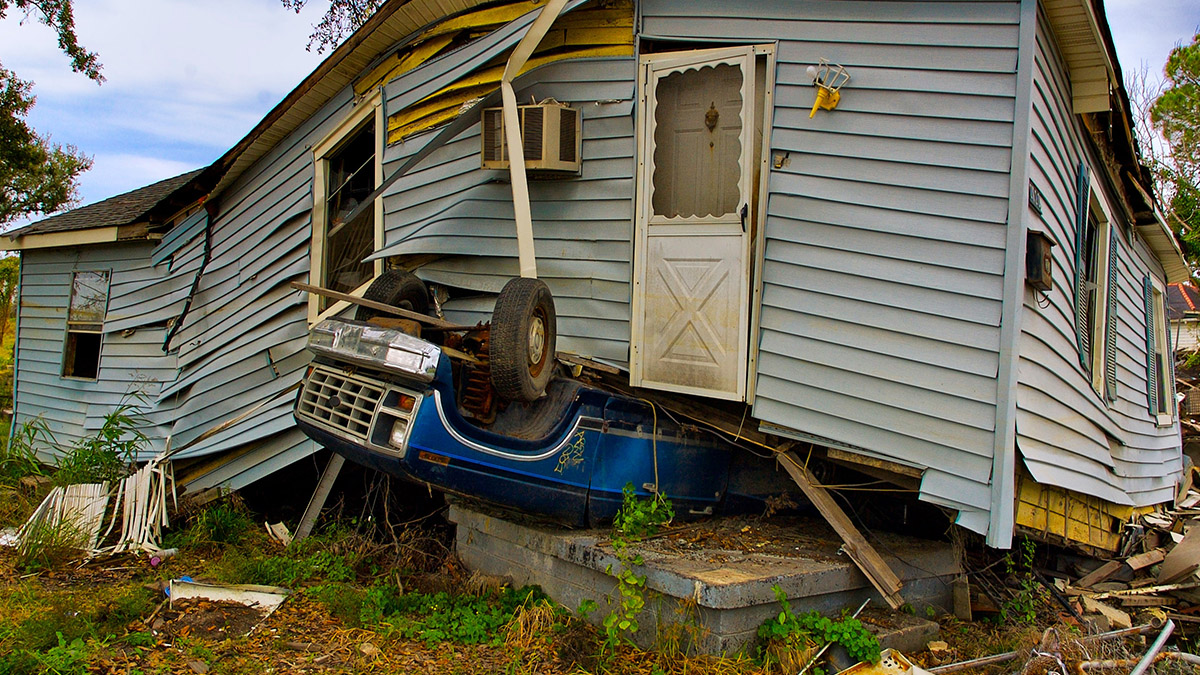
Storm season brings the potential for significant property damage from wind, rain, hail, and flooding. While you can’t control the weather, you can take proactive steps to protect your home or business. Proper preparation can mean the difference between minor inconvenience and major disaster.
Spring Preparation: Setting the Foundation
Roof Inspection and Maintenance Your roof is your first line of defense against storm damage. Schedule a professional inspection to identify loose shingles, damaged flashing, or clogged gutters. Replace missing or damaged shingles immediately – small problems become major leaks during storms.
Clean gutters and downspouts thoroughly. Clogged gutters can cause water to back up under shingles or overflow, leading to foundation damage. Ensure downspouts direct water at least 6 feet away from your foundation.
Tree and Landscaping Management Dead or diseased trees pose serious risks during storms. Have a certified arborist assess large trees near your home. Remove dead branches and trim limbs that could fall on your roof or power lines.
Consider the placement of outdoor furniture, decorations, and equipment. Items that seem secure in normal weather can become dangerous projectiles in high winds.
Summer Storm Readiness
Window and Door Protection Install storm shutters or have plywood pre-cut and ready for quick installation. Know how to secure your home quickly when warnings are issued.
Check window and door seals annually. Poor seals allow water infiltration during wind-driven rain, which can cause significant interior damage.
Drainage Systems Ensure your property has proper drainage. Water should flow away from your foundation, not pool around your home. Consider installing French drains or improving grading if water accumulation is a recurring problem. Test your sump pump before storm season. If you don’t have one and experience basement flooding, consider installation as a preventive measure.
Emergency Preparedness Kit
Essential Supplies
- Flashlights and extra batteries
- Battery-powered or hand-crank radio
- First aid kit
- Medications and medical supplies
- Non-perishable food and water (1 gallon per person per day for 3 days)
- Cash in small bills
- Important documents in waterproof containers
Tools and Materials
- Tarps and plastic sheeting
- Duct tape and rope
- Basic tools (hammer, screwdriver, wrench)
- Generator (if applicable) with proper fuel storage
- Sandbags for flood protection
Creating a Storm Response Plan
Communication Strategy Establish a family communication plan. Ensure everyone knows how to contact each other and where to meet if separated. Keep important phone numbers written down – cell phones may not work during emergencies.
Evacuation Planning Know your evacuation routes and have multiple options. Practice your evacuation plan so everyone knows what to do if immediate departure is necessary.
Documentation Create a home inventory with photos or video of your possessions. Store copies of important documents (insurance policies, identification, financial records) in a waterproof container and off-site location.
Insurance Considerations
Review Your Coverage Many homeowners are surprised to learn that standard homeowner’s insurance doesn’t cover flood damage. Flood insurance requires a separate policy and typically has a 30-day waiting period before taking effect.
Review your policy limits and deductibles. Consider whether your coverage adequately reflects your home’s current value and contents.
Document Your Property Take photos of your home’s exterior and interior before storm season. This documentation can be invaluable for insurance claims if damage occurs.
Technology and Monitoring
Weather Monitoring Install a weather radio and sign up for local emergency alerts. Many smartphones can receive emergency notifications, but have backup communication methods.
Home Monitoring Systems Consider installing water sensors in basements, near water heaters, and in other vulnerable areas. These can alert you to water intrusion before it becomes a major problem.
Backup Power Portable generators can provide essential power during outages, but must be used safely. Never operate generators indoors or in enclosed spaces due to carbon monoxide risks.
Seasonal Maintenance Schedule
Spring (March-May)
- Professional roof inspection
- Gutter cleaning and repair
- Tree trimming and removal
- HVAC system maintenance
- Test sump pumps and drainage systems
Summer (June-August)
- Stock emergency supplies
- Review insurance coverage
- Check and secure outdoor equipment
- Inspect and maintain generators
- Update emergency contact lists
Fall (September-November)
- Final roof and gutter inspection
- Secure or store outdoor furniture
- Trim trees before winter storms
- Check heating systems
- Winterize outdoor plumbing
After the Storm
Safety First Never enter damaged buildings until they’ve been declared safe. Be aware of electrical hazards, gas leaks, and structural damage.
Document Damage Take photos of all damage before making temporary repairs. This documentation is crucial for insurance claims.
Begin Mitigation Make temporary repairs to prevent further damage, but don’t make permanent repairs until your insurance adjuster has assessed the damage.
Working with Professionals
Choosing Contractors After major storms, many contractors appear offering repair services. Choose established, licensed, and insured companies. Be wary of door-to-door solicitors demanding immediate payment.
Restoration Services Professional restoration companies can assess damage, work with insurance companies, and provide comprehensive repair services. They have the equipment and expertise to handle complex damage situations.
The Investment in Prevention
Storm preparation requires time and money upfront, but it’s far less expensive than dealing with major damage. Every dollar spent on prevention typically saves several dollars in repair costs.
Phoenix Fire Water Restoration understands that storm damage can be overwhelming. Our experienced team provides comprehensive storm damage assessment and restoration services. We work directly with insurance companies to ensure you receive fair compensation and quality repairs. When storms strike, we’re here to help you recover quickly and completely.